
Month: May 2018
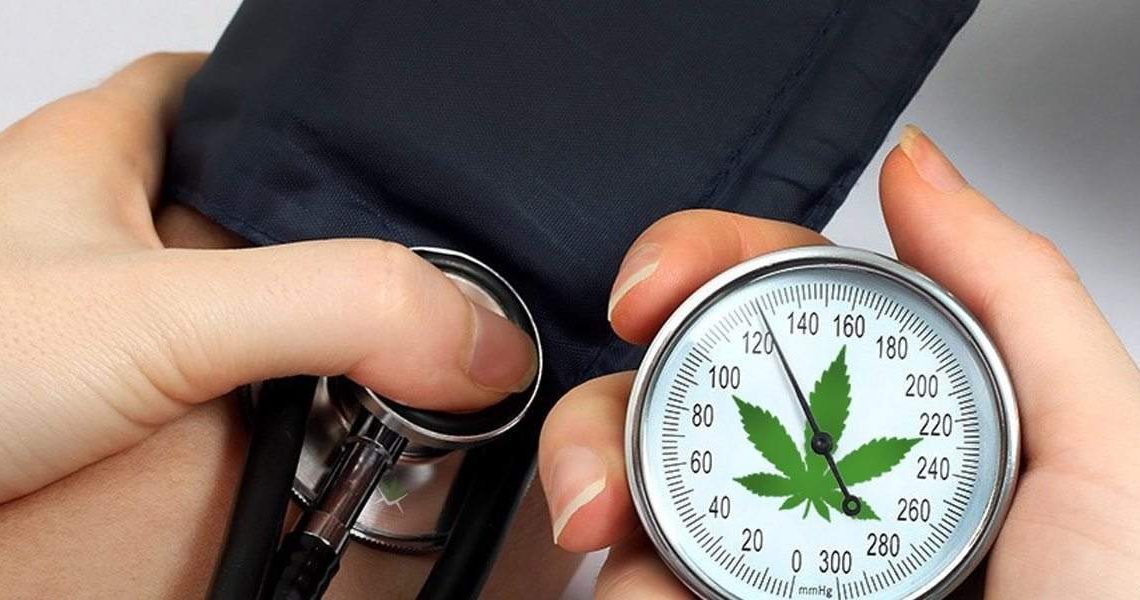
CBD and Blood Pressure
When marijuana was first gaining major publicity for its medical benefits, one of the first public proponents was baseball Hall-of-Famer Kirby Puckett, who used it to treat his glaucoma. From there, it was only a matter of time before medical research proved that CBD reduces blood pressure.
In glaucoma, the pressure of fluid within the eyeball increases, putting pressure on the optic nerve. Eventually, the pressure becomes so great that the optic nerve is pinched off and the patient loses his or her sight.
Cannabinoids and Blood Pressure
Until recently, evidence has been (more or less) inconclusive, with findings going both ways. These studies, however, had been investigating cannabis flower with no control for strain, cannabinoid profile, or route of ingestion.
Different cannabinoids have different effects and attenuate the endocannabinoid system in different directions. It’s well known, for example, that THC and CBD have inverse effects to a degree.
Finally, one recent study, which specifically investigated whether CBD reduces blood pressure in human trials, put a rest to the controversy: “Our data show that a single dose of CBD reduces resting blood pressure and the blood pressure response to stress.”
Cannabis and Cardiovascular Disease
These findings build upon previous research that shows CBD is a vasodilator, which means it makes your arteries and blood vessels wider, allowing for greater blood flow with less pressure. There is a growing body of medical research showing that CBD’s neuroprotective effects are beneficial with cardiovascular diseases, especially in recovery from stroke and heart attack.
This study sheds light on one of the stickier areas within medical cannabis research: its effect on the cardiovascular system. Most investigations looking at long-term cannabis smokers find cardiovascular damage and attribute it to cannabis. Because this study utilized ingested CBD, they were able to separate the effects of smoking and the effects of the cannabinoid.
The negative effects, it turned out, were due more to the smoking than the cannabis itself.
How CBD Reduces Blood Pressure
Now, this is still a long way away from CBD being an effective treatment for cardiovascular diseases like hypertension. Serious conditions have many factors at play—lifestyle, diet, genetic, life circumstances, etc.—and taking some CBD oil isn’t necessarily going to make it all better. There are no magic pills to fix these things, despite what your friendly neighborhood pharmaceutical company would like you to believe.
While it may not be a cure for hypertension, cannabis does provide a natural, safe remedy for people to help manage their stress and blood pressure.
According to the abstract from the, “Journal of Clinical Investigation” Cannabidiol (CBD) is a nonpsychoactive phytocannabinoid used in multiple sclerosis and intractable epilepsies. Preclinical studies show CBD has numerous cardiovascular benefits, including a reduced blood pressure (BP) response to stress. The aim of this study was to investigate if CBD reduces BP in humans.
Nine healthy male volunteers were given 600 mg of CBD or placebo in a randomized, placebo-controlled, double-blind, crossover study. Cardiovascular parameters were monitored using a finometer and laser Doppler. The results varied but participants had a decrease of about 6 mm HG.
“Our data show that a single dose of CBD reduces resting blood pressure and the blood pressure response to stress, particularly cold stress, and especially in the post-test periods. This may reflect the anxiolytic and analgesic effects of CBD, as well as any potential direct cardiovascular effects. … Further research is also required to establish whether CBD has any role in the treatment of cardiovascular disorders such as a hypertension.”
Now Epidemiological studies have shown a positive relationship between long-term stress and the development of cardiovascular disease. Factors like social isolation, low socioeconomic status, depression, stressful family and work life, and anxiety are associated with an increased risk of the development and accelerated progression of existing cardiovascular disease. Current European guidelines on the prevention of cardiovascular disease have emphasized the importance of tackling these factors. Mental stress induces myocardial ischaemia in patients with stable coronary artery disease, and this appears to be mediated by adrenal release of catecholamines.
But what exactly is CBD? Cannabidiol (CBD) is one of the most prevalent chemical compounds in the cannabis plant. Unlike the more famous molecule, tetra-hydrocannabinol (THC), CBD is completely nonpsychoactive. Don’t expect to get “high” off of this organic chemical, however. CBD is all relaxation without intoxication.
While CBD still has an effect on your body, consuming CBD by itself isn’t going to send you on the cerebral adventure associated with THC. For decades, medical professionals and the general public overlooked CBD because psychoactive cannabis took center stage.
Now, the medical potential of CBD has taken cannabis to mainstream audiences. Preclinical trials over the past four decades have found that the cannabinoid shows promise as an anti-hypertensive.
CBD has been studied for these Conditions:
- Cigarette smoking addiction
- Acne
- Diabetes
- Fibromyalgia
- PTSD or Post Traumatic Stress Disorder
- Schizophrenia
- Crohn’s Disease
- Multiple Sclerosis
- Insomnia
One of the few side effects of CBD is tiredness, but for many, it’s what they seek out in the natural herb. Since pharmaceuticals for aiding sleep pose risk for addiction and leave you feeling groggy the next day, it’s best to go the safe route with non-habit forming CBD. When searching for strains to combat insomnia, try staying with Indica and CBD-heavy strains to knock you out when you need it most.
Side Effects:
CBD decreased the activity of T and B cells which may increase the disease progression, tumor growth and metastases, and exacerbate asthma.
CBD can decrease the activity of liver enzymes called cytochrome P450, responsible for metabolizing more than 60% of prescribed drugs. CBD may also cause mild hypotension, dry mouth, lightheadedness, and sedation.
The other thing I want you to be mindful of, again, that it can decrease the metabolizing of medications you are currently taking. If you live in a state where it is legal. Please consult with your healthcare practitioner before using this medicine. Now I know what you must be thinking, “I have got to try this!” Yes and I understand why. In many places CBD is still classified as a “Class 1” drug and is considered illegal. Even in places where it is legal, getting a pure CBD medication can be difficult. Places that had advertised CBD, when it was tested had almost no CBD in the oil, but by trusting the vetted companies you know your CBD is great quality.
Originally found here
THESE STATEMENTS HAVE NOT BEEN EVALUATED BY THE FDA AND ARE NOT INTENDED TO DIAGNOSE, TREAT OR CURE ANY DISEASE. ALWAYS CHECK WITH YOUR PHYSICIAN B EFORE STARTING A NEW DIETARY SUPPLEMENT PROGRAM

Latest Reddit Discussions
[wp-rss-aggregator]
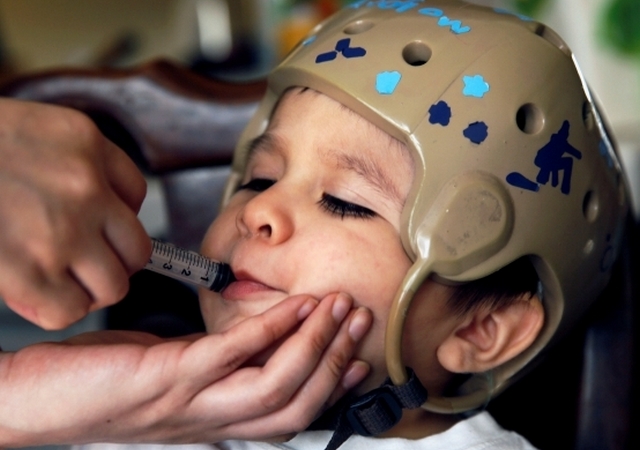
Shaun Hussain, MD, reviews evidence supporting and opposing the use of cannabidiol and medical marijuana in the treatment of pediatric epilepsy
[yotuwp type=”videos” id=”NQKvHdeNJAc” ]
Basic noobie guide for CBD dosages
CBD Oil Dosage – General Advice to Assess How Much CBD to Take
Even with the wave of states legalizing medical marijuana, many physicians are still reluctant to prescribe cannabinoids because they are not sure what dosages to prescribe. After all, most medical schools never cover CBD Cannabidiol in their pharmacology courses. Medical scientists are just now developing dosing schedules for medical marijuana, medicinal hemp and their extracts, including CBD.
CBD-rich hemp oil comes in various concentrations and forms, including liquid hemp oil, hemp oil as a thick paste, oil in capsules, sublingual tincture drops or sprays, salves for topical use, edibles as in candy or gum and CBD vapor from vaporizers similar to e-cigarettes.
Everyone Is Different
What you will find on this page is meant to be a guideline, a starting point of reference. The fact remains that everyone is in a different place and will react differently to their CBD dosage. As serving size or dosage of CBD differs for each person, it is best to start small and gradually increase until you experience the desired result.
CBD Brands Confusing Dosage
CBD oil brands create a lot of confusion for consumers because they all have different standards. Many of them recommend way too much as a “serving” and others recommend too little. Because of this lack of standard during our review of individual CBD products,
It is also recommended that you try increasing dosage every 3-4 weeks by 25mg until symptom relief. And to decrease amount of CBD with any worsening of symptoms.
CBD Oil Dosing
Concentrations vary between preparations, ranging from 1 mg per dose to hundreds of milligrams. This makes it easy for consumers to get the dosages they need in a form they find easy to use.
CBD Dosages
Mayo Clinic suggests CBD dosages on scientific research, publications, traditional use, or expert opinion. Cannabinoid dosages and duration of treatment depend largely on the disease.
How Much CBD Oil Should I Take?
To increase appetite in cancer patients: 2.5 milligrams of THC by mouth with or without 1 mg of CBD for six weeks
To treat chronic pain: 2.5-20 mg CBD by mouth for an average of 25 days.
To treat epilepsy: 200-300 mg of CBD by mouth daily.
To treat movement problems associated with Huntington’s disease: 10 mg per kilogram of CBD by mouth daily for six weeks.
To treat sleep disorders: 40-160 mg CBD by mouth.
To treat multiple sclerosis symptoms: Cannabis plant extracts containing 2.5-120 milligrams of a THC-CBD combination by mouth daily for 2-15 weeks. A mouth spray might contain 2.7 milligrams of THC and 2.5 milligrams of CBD at doses of 2.5-120 milligram for up to eight weeks. Patients typically use eight sprays within any three hours, with a maximum of 48 sprays in any 24-hour period.
To treat schizophrenia: 40-1,280 mg CBD by mouth daily.
To treat glaucoma: a single CBD dose of 20-40 mg under the tongue. Doses greater than 40 mg may actually increase eye pressure.
According to CannLabs, the nation’s top full-service testing lab for cannabis products, there is no established lethal CBD dose. Consumers should read product inserts carefully to ensure they are taking the right amount of CBD, and talk to the prescribing physician about any questions or concerns.
Still Have Questions? Get info from other users on reddit!
Latest Reddit Discussions
[wp-rss-aggregator]
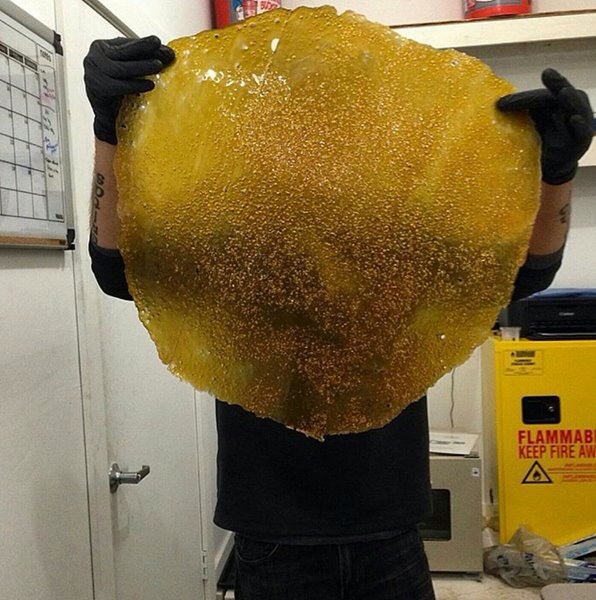
Your Ultimate Guide to CBD dabbing
If you are a soccer fan, you may associate dabbing with an idiotic celebration of doing the rounds. As it happens, ‘dabbing’ is also the term used to describe the consumption of extremely potent CBD. Companies such as CBDistillery sell CBD concentrates in wax, shatter, butter, or powder form. They are usually 99% pure which makes them a lot more effective, and expensive, than CBD oils and edibles.
While dabbing is also performed with THC products, this comprehensive guide tells you more about the types of CBD concentrates on the market, the creation of concentrates, the right dabbing tools to use, and also helpful information on the correct dabbing technique.
Why Dabbing?
The entire dabbing process will seem alien to you at first, but you’ll soon get used to it. It is technically classified as “the flash vaporization” of CBD concentrates when it is applied to a hot surface and then inhaled. You ‘dab’ using concentrates which are a lot more potent than the CBD you get from oils and edibles.
It is normal for a CBD isolate to contain 99% of the cannabinoid, and while it is expensive, users swear by its impact. To be honest, we wouldn’t recommend dabbing to CBD newcomers, though – you will get so used to the rapid relief that you won’t accept CBD oils or edibles ever again!
Types of Concentrates on the Market
While there are various types of concentrates available, high-quality versions all contain huge doses of CBD.
- Wax: While this concentrate has a relatively firm texture, it breaks easily.
- Butter: This substance is soft and easy to manipulate.
- Shatter: This is a brittle option which ‘shatters’ easily as per the name. The best quality shatter tends to be golden yellow. Shatter with a darker color tends to have a lot of impurities. It is typically the most potent option.
- Crystalline: This is a fancy term for powder. Its main advantage is that it is easy to work with as an ingredient.
How is CBD Concentrate Made?
While we can’t speak for every product on the market, we can tell you how CBD concentrate should be made. The best products are extracted from non-GMO hemp via supercritical CO2 extraction. The concentrate that is produced should include the cannabinoids, fatty acids and other plant materials naturally found in hemp.
The next step involves purifying the CBD hemp oil using a proprietary process for removing excess waxes and plant materials. The result is a 99% pure CBD isolate in one of the forms mentioned above. Reputable companies will include third-party lab testing results on their websites, and the top firms have isolate that is between 99.7% and 99.9% pure. They also utilize ISO/IEC 17025:2005 accredited testing labs, which results in CBD that is free from toxins, heavy metals, mildew, mold, fungus and other impurities.
CBD Dabs – An Introduction to concentrates
We’ll cover how they are made, the different types, and the difference between THC dabs and CBD dabs. The main difference being the content of cannabinoids CBD and THC.

CBD Dabs – Types of concentrates
There are several types of concentrates but all of them are purified extractions of cannabis resin contained within the trichomes. CBD Dabs differ in that they contain higher levels of CBD than is normally found in high THC concentrates.
Budder/Wax/Shatter
Budder has a soft caramel like texture and is quite flexible and easy to manipulate.
Waxes are slightly firmer than butter and may break if handled too rough

Shatter is much harder and quite brittle compared to waxes. they are generally a clear golden yellow to amber color. the darker the shatter the more impurities there are in the material.
Oil
Hash oil or phoenix tears are a liquid concentrate and is one of the oldest concentrates in the industry
Hash
Hash or hashish is pressed kief or trichomes as they are known scientifically. Hash is one of the oldest concentrates and dates back several centuries where it was made by hand in india as charas.
Kief
kief is the loose powder form of trichomes. It can be found at the bottom of any 3 or 4 piece grinder purified by a screen. press this powder and you get hash.
CBD Dabs – How are they made
There are two main methods of creating cannabis concentrates, solvent-based extraction and non-solvent extraction. In solvent-based extraction, chemical solvents such as butane, propane, carbon dioxide (CO2) and alcohol are used to separate resin glands containing the psychoactive compound THC from the cannabis flower. In non-solvent extractions, water, temperatureand pressure are the predominant factors.
Solvent-based extractions utilize chemical solvents to strip cannabis flowers of their highly potent resin glands. Because chemical solvents are often highly flammable, professional extractors use what are called “closed-loop” systems to ensure that there is no airborne chemical exposure during the process, therefore eliminating any risk for fire, over-pressurization or explosion. This is why concentrate production should only be conducted by licensed professionals. It is extremely dangerous and illegal to perform solvent-based extractions at home, so leave the process to the professionals!
CBD Dabs – The Tools
Essentially, dabbing is the flash vaporization of cannabis concentrates once applied to a hot surface and inhaled. These concentrates are a lot more potent than marijuana flowers, so a little bit goes a long way.
 Dabbing technology is evolving, but the traditional setup includes the following items (keep in mind that the appearance of each tool may vary slightly depending on its design):
- A cannabis extract. Any of the above listed concentrates like budder, wax, or shatter. Do not use alcohol based extracts for dabbing as trace amounts of alcohol may be present and is combustible.
- A water pipe. You can take the glass bowl pieces out and replace them with dabbing attachments to turn your pipe into a dab rig.
- A nail. Find a nail that fits your water pipe’s gauge. Some are made of ceramic and quartz, but titanium is the most commonly used type.
- A dome. This is the glass hood placed around the nail. “Dome-less” nails (see below) don’t need a glass globe, but standard nails need something to trap the vapor before it’s inhaled.
- A torch. Mini-torches used for crème brulee will do the job, but some choose to upgrade to larger propane-fueled torches that heat nails faster. New flame-less methods of dabbing are becoming available, but most people still use the torch method due to the low cost investment.
- A dabber. This is the glass, metal, or ceramic tool used to apply a dab.
What Are Dabbing Tools?
Although dabbing technology is long from being in its infancy, there is still plenty of room for improvement. Nonetheless, there are several dabbing tools available to help you consume your CBD isolate in the most efficient manner possible. What we will say is this: If you are only picking one option, choose a tool capable of being versatile when it comes to handling concentrates of differing consistencies.
The important thing to remember is that you will be vaporizing your concentrates.
- Dabbing Rig: This is a modified water pipe that has a glass joint designed to hold a nail instead of a connector (as you would have on a bubbler or bong). With this tool, you heat up the nail and place the concentrate on it to cause vaporization. There are various sizes available, so decide if you want a mini-rig or a larger one that sits on a coffee table.
- Nail: You can purchase a quartz or titanium nail. Aficionados tend to choose quartz because it provides better flavor. Also, with titanium, there is a danger of oxidation at high temperatures and these nails can degrade when used improperly.
- Carb Cap Dabber: The purpose of this tool is to place the concentrate on the hot nail safely. If you have dry concentrate, choose a wide dabber as it does a better job of scooping. A Carb Cap also enables you to dab at a slightly lower temperature. This is vital because at the reduced temperature, you get more of the terpenes which are lost at higher temperatures.
- Dab Rag/Mat: This handy piece of equipment acts as a stand for the rig. Without it, there’s a good chance that your table will get coated in sticky residue. It is best to purchase an easily washable rag or mat. You can also use the rag to remove the mess made from dabbing.
- Torch: How else are you going to heat up the nail? Remember to purchase a butane refill as your torch will be empty when you purchase it.
- Electronic Nail: This is a must for concentrate lovers as it is an adjustable and constant heat source which means there is no need for a torch. The downside? E-Nails are expensive and can cost up to $300.
What is the Correct Dabbing Technique?
Once all your equipment is in place, turn on the torch and make sure the flame is hitting the nail. Don’t make the mistake of overheating the nail, though – a lot of people prefer to heat it until it turns red hot, but this isn’t necessary. In fact, too much heat can reduce the quality of CBD.
When the nail is hot enough, switch off the torch and place the glass dome over the nail. If you use quartz nails, allow them to cool for 45 seconds; for titanium nails, the waiting period is just 10 seconds.
Use your dabber to grab the correct amount of CBD concentrate and add it directly to the nail inside the dome. Inhale the vapor slowly and rotate the dabber tip on the nail to avoid wasting oil that could be stuck to the dabber. Exhale, enjoy, and repeat until satisfied.
The Importance of Getting the Temperature Right
Although it is not a precise measurement, experts state that if your nail has a red-hot glow, it is probably more than 1,000 degrees Fahrenheit! If it has a pale red glow, it is still in or around the 900-degree mark. If you add the CBD concentrate to a nail that is too hot, you will destroy many of the things that make CBD so amazing.
In reality, the optimal temperature for dabbing is between 300 and 400 degrees Fahrenheit, as this is the boiling point range for a lot of terpenes found in marijuana. For example, terpenes such as Linalool and Humulene have boiling points of 388 degrees, while a-Pinene has a boiling point of 311 degrees. (To be fair, this information is not relevant if you use CBD isolate, because isolates don’t have any terpenes).
If you have money to spend, you should invest in a dome-less nail or an e-nail. A dome-less nail is a metal piece that doesn’t require a glass dome to provide you with vapor. Rather, it contains numerous tiny holes that ensure the vapor goes straight through the piece.
While an e-nail is rather expensive, it is worth it if you’re serious about dabbing CBD. It allows you to not need a dome or a torch, which are pieces of equipment considered the most dangerous aspect of dabbing. Best of all, you can control the temperature of an e-nail which means you’re guaranteed to get the best from your CBD concentrate.
Quick Guide – CBD Dabs – How-To Instructions
Once the rig is set up and your dab is prepared on the dabber, you’re ready to get started. We advise you to sit while taking a dab, since the rush of THC can be physically intense.
Step 1: Turn on your torch and aim the flame directly at the nail. Most people will heat the nail until it begins turning red-hot. If you’re using an electronic nail, refer to the section below for more information on heating.
Step 2: Once the nail is hot, turn off your torch and place the glass dome over the nail. It’s recommended to let titanium nails cool for about 10 seconds and quartz nails about 45 seconds so the surface temperature isn’t too hot.
Step 3: Take your dabber, apply the dab directly on the nail inside the dome, and inhale slowly. Rotating the dabber tip on the nail can help you prevent wasting any oil stuck to the dabber.
Step 4: Exhale and enjoy!
Safety notice: nails and glass domes become extremely hot in the dabbing process. Take caution when handling them, and always wait for all pieces to cool down before you even think of touching them.
5 Benefits of Dabbing CBD
Experienced CBD users claim that no other consumption method can compare to dabbing. As long as you purchase premium grade CBD, you will find that the symptoms of conditions (such as nausea, anxiety, and chronic pain) will ease off in record time.
It is also a fact that dabbing pure CBD is a much more pleasant sensation that smoking cannabis, which can be testing on the lungs. Here is a quick look at just some of the benefits of dabbing CBD:
1) Antiemetic – Combats nausea, vomiting and motion sickness. This makes it helpful with the side effects from chemotherapy and opioid (heavy duty pain killers like hydrocodone, morphine, fentanyl and oxycodone these are listed as narcotics painkillers, as well as severe gastroenteritis. Why does this matter? The faster onset of a dab makes this a quick way to get that sick painful feeling to go away, so you can return to normal and functional.
2) Anticonvulsant – Fights against seizures and epilepsy, alone that is very impressive, but it is also being used for its antipsychotic properties. Antipsychotics help those with bipolar, and borderline personality disorder, by acting as a mood stabilizer. Anxiolytic, which means it also combats anxiety and panic, as well as being an antidepressant. Why does this matter? This is just a whole lot of great news for those that suffer from anxiety, social anxiety, panic attacks, clinical depression, bipolar depression, as well as those suffering from epilepsy and seizures.
3) Anti inflammatory – Reduces inflammation and swelling giving relief to many arthritis sufferers, as well as helping with chronic pain. Why is this important? In states with medicinal marijuana a significant number of deaths due to opioid overdose have lessened between 16 and 31 percent, as people switch to cannabis for their pain relief.
4) Antioxidant – Oxygen, the stuff we breathe in order to survive, is corrosive to the tissues of our bodies and causes cell degradation. We have all seen what happens to metal left unprotected from oxygen, it rusts. The best part is antioxidants prevent this cell degradation in our bodies by inhibiting oxidation of healthy cells. The release of free radicals can farther damage these cells.
5) Antitumor / Anti cancer – Prevents or combats the growth of cancerous and non cancerous tumors in the body. This is the big one causing so much fuss over marijuana in the U.S.. Why does this matter? In 2016, an estimated 1,685,210 new cases of cancer will be diagnosed and 595,690 people will die from the disease. Check out this article for more information on this.
Cons of Dabbing
Although there is a myriad of fantastic benefits associated with dabbing, there are a few perceived downsides too. There is a suggestion that dabbing is dangerous, but this only relates to the extraction methods that are used to produce the concentrate. It is not a wise move to try and extract CBD from hemp or cannabis because a combination of flammable gases and bad ventilation could result in an explosion. Also, there is no way of knowing how pure your end product is. You can eliminate this danger by purchasing a high-quality CBD isolate from a reputable company such as CBDistillery.
The next danger relates to the process itself. Again, it is a bad idea to create DIY dabbing equipment. A good quality nail and torch combo is essential as it enables you to dab safely without worrying about fires.
We also recommend taking it easy with dabbing if you are inexperienced. Although you won’t overdose on CBD, consuming an excessive amount could result in a very uncomfortable experience.
How Do I Measure the Dosage?
It takes time to get to grips with dosing levels if you’re an inexperienced dabber. For a start, most companies sell their concentrates in 0.5 grams, 1 gram, 3.5 gram and 7-gram sizes. High-quality concentrate is not cheap; you can expect to pay at least $30 per gram (or $25+ if you purchase a larger size).
We recommend searching for a product that clearly illustrates the level of CBD in it. For example, CBDistillery’s CBD slab contains 99.5% CBD, so you know there are 0.995 grams of cannabidiol per gram of product. Things are made a lot easier if you have a kitchen scale because you can accurately measure your dose. Most people begin with 10mg doses, but it can be tricky to measure out such a minute amount the first time out. However, practice makes perfect, and at least you know that the CBD you’re consuming is pure.
Final Thoughts on Dabbing CBD
If you have a medical condition and are fed up with worthless painkillers, save your money and purchase high-quality CBD and dabbing equipment instead. CBD is known to help the symptoms of a litany of medical conditions with no side effects. When you dab CBD, you can enjoy the purest form of this cannabinoid and benefit from rapid relief.
Enjoy the video guide below we found on youtube for those visual learners
[yotuwp type=”videos” id=”N_q0wv_JaQI” ]
Newest CBD Discussions on Reddit
[wp-rss-aggregator]
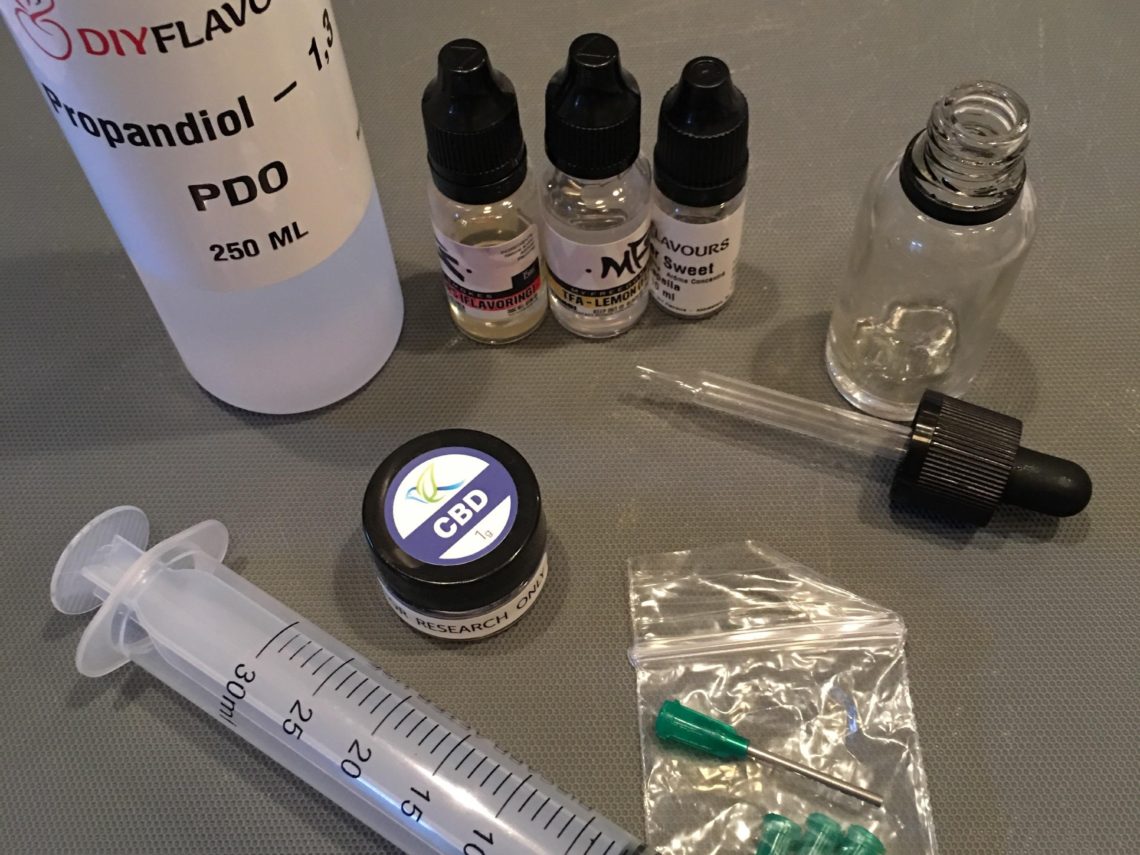
Making Your own CBD E-juice or CBD Concentrate/Additive for Vaping
Making Your own CBD E-juice or CBD Concentrate/Additive for Vaping
About Vaping CBD: Vaporization is the fastest method of getting relief using CBD. Users tend to get relief using lower doses than other methods. Relief of symptoms may not last as long as other methods.
If you want to do a concentrate or vape additive to add to other e-juice, just skip the flavors, and use half the amount of PG base.
What do I need?
| Amount | Item | Cost |
|---|---|---|
| 1g | CBD Isolate | $25-$30 |
| 30ml | Propylene Glycol (PG) or Propanediol (PDO) | $10-$15 for 500ml |
| assorted | flavorings optional | <$10 |
| 1x | 30ml syringe w/ blunt needle | $4 |
| 1x | Miniature Funnel recommended | <$1 |
| 1x | 30ml Glass Dropper Bottle | $1.50 |
(What is PDO?)[https://www.reddit.com/r/CBD/comments/75hngm/guide_making_your_own_cbd_ejuice_for_vaping/dojw4wl/]
The flavors I used:
 1 ,3 Propanediol (PDO) 250ml - diy-ejuice.com  -   $11.27
 10ml Liquid Barn Sour - diy-ejuice.com    -     $3.44
 10ml Cap Super Sweet - diy-ejuice.com     -     $3.44
 15ml TFA Rainbow Drops - local shop       -     $3.95
Once you have your supplies purchased, everything but the CBD should last you many more doses of juice.
The Recipe
For more flavor recipes, see /r/diy_ejuice
Easy Sour Skittles – by rock513
| Flavoring | Percentage (PG) | Amount(PG) | Percentage (PDO) | Amount(PDO) |
|---|---|---|---|---|
| PG or PDO | 83% | 25ml | 70% | 20ml |
| TFA Rainbow Drops | 10% | 3ml | 15% | 5ml |
| LB Sour | 5% | 1.5ml | 12% | 3.5ml |
| Cappella Super Sweet | 1-2% | 0.5ml | 3% | 1-2ml |
The Guide (with Pictures)
Compared to Other Vape Juice:
| Brand | Name | CBD content | Price | Value per gram |
|---|---|---|---|---|
| Bluebird Botanicals | CBD Vape Oil 30ml | 1000mg | $74.95 | $75/g |
| Johnny Apple | Remedy CBD e-liquid 14ml | 140mg | $15 | $107/g |
| DIY | Homemade CBD vape juice 30ml | 1000mg | $55 | $55/g |
Note that not only is the DIY juice cheaper for the first bottle, but the price is limited only by how cheaply you can buy CBD isolate after your first batch.
More Discussion on DIY CBD vape juice
Newest /r/CBD reddit posts 5/1/2018
[wp-rss-aggregator]

How much CBD for Anxiety?
In 2015, the National Institute of Health allotted $21.2 million of its $111 million cannabinoid research budget towards projects exploring the medicinal potential of these compounds. These projects proposed to manipulate the body’s endocannabinoid system, either by modifying endocannabinoids or with phytocannabinoids from the cannabis plant.
While the primary psychoactive phytocannabinoid, delta 9-THC, has acknowledged medicinal value, cannabidiol (CBD) is widely known for its broad range of potential medicinal uses. In recognition of CBD’s vast potential, over $9 million in grants were awarded in 2015 to fund CBD-specific medicinal research.
Much of this research has centered around the treatment of epilepsy, with studies showing that CBD has significant potential for treating the condition in children at high doses. A daily dose over 600 mg reduced seizure frequency by 39%. While this is a far greater amount than you’d find in many of the CBD consumables available at your local dispensary, many retail CBD products with lower levels of the cannabinoid are reported to be effective at treating anxiety, pain, and a host of other disorders, either through self-experimentation or anecdotal reports.
So why not crank up the CBD dose to reduce your anxiety? If a little is good, shouldn’t a lot be better? It turns out that for CBD, the answer is no; CBD’s medicinal efficacy might require a particular dose range. Call it a “Goldilocks Zone,” where there’s not too much CBD but not too little, either.
Intriguingly, this Goldilocks Zone differs for each disorder. For instance, CBD appears to treat anxiety at relatively low doses compared to the high doses used to treat epilepsy.
While it may sound out of the ordinary, this “inverted-U” effect is actually quite common among drugs that affect multiple brain receptors, as CBD does. In fact, 37% of published toxicology articles report some degree of an inverted-U response, indicating that this is not a random event but instead reflects differential drug effects on brain targets.

The wide spectrum of CBD’s medical indications—it is used as a treatment for pain, anxiety, post-traumatic stress disorder, and other conditions—reflects its diverse set of brain and body targets. Since each of these many medical problems is impacted by CBD acting on specific receptors in the brain and body, differences in sensitivity for these targets may underlie CBD’s inverted U-response and define its Goldilocks Zone.

Renowned cannabinoid pharmacologist Roger Pertwee described CBD actions at low, medium, and high doses in an oft-cited review published in The British Journal of Pharmacology. As expected, low doses of CBD impact fewer neural targets than high doses. At relatively low doses, CBD can block endocannabinoids like anandamide and phytocannabinoids like delta 9-THC from interacting with receptors in the nervous system. This blocking action is thought to explain CBD’s ability to reduce the adverse effects that can accompany delta 9-THC exposure such as anxiety.
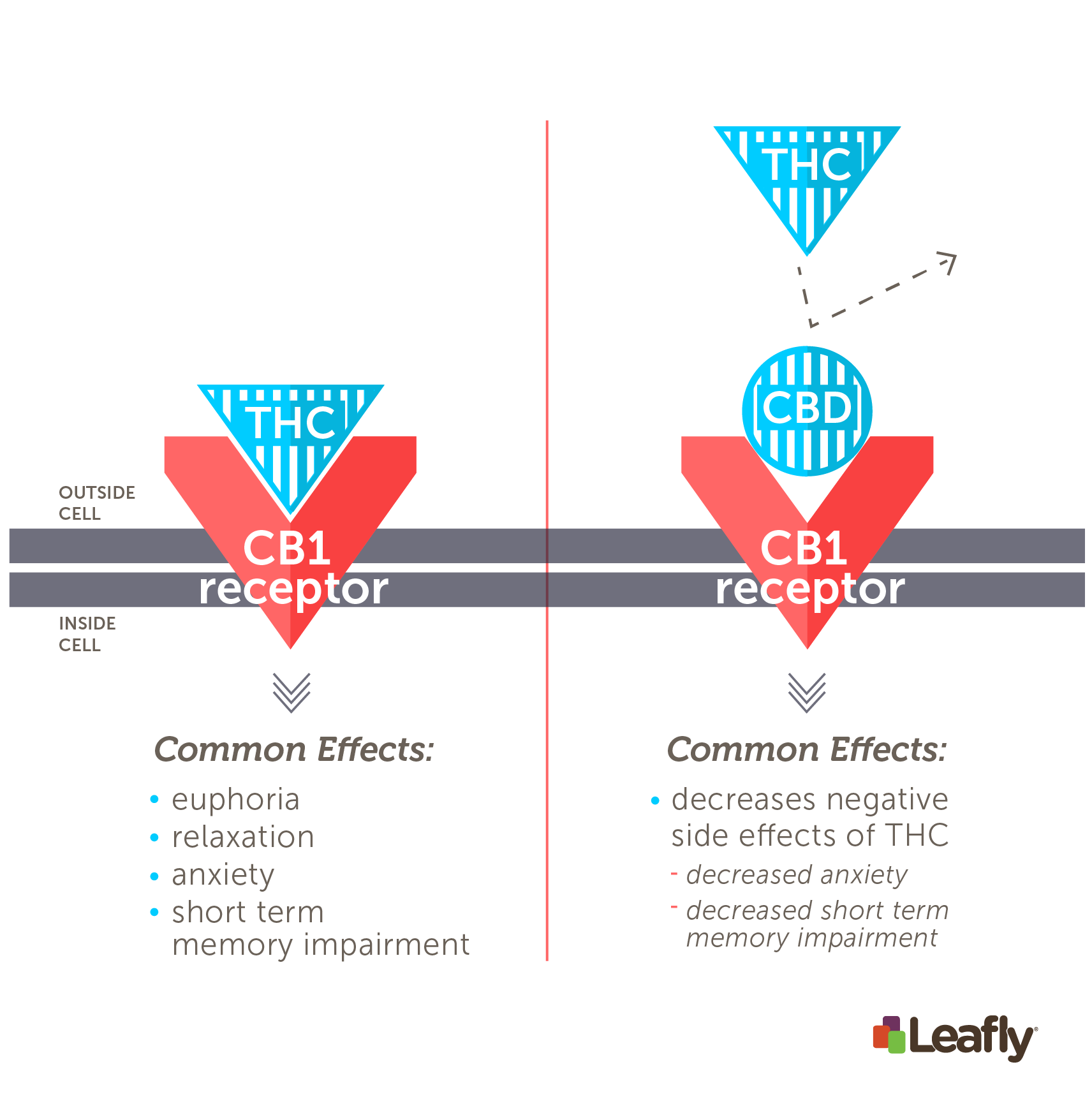
CBD’s anti-anxiety effects can also be attributed to its activation and enhancement of specific serotonin receptors. Serotonin is an important neurotransmitter involved in mood regulation and stress response; low serotonin levels are thought to contribute to conditions including generalized anxiety disorder and major depression. A common pharmacological treatment for these conditions involves enhancing the amount of serotonin available in an effort to activate the receptors using selective serotonin reuptake inhibitors, or SSRIs.
Rodent studies of CBD in anxiety and stress reveal that CBD similarly enhances serotonin receptor activation. In rats, a low-to-moderate dose of CBD has anti-anxiety effects following a stressful period of restraint (the rat equivalent of being placed in a straitjacket for an hour), but these anti-anxiety effects go away when the serotonin receptor 5-HT1a is blocked ahead of time. This suggests that low doses of CBD near the peak of the rodent’s inverted-U response reduce anxiety by activating 5-HT1a receptors.
Similar CBD doses in humans have been shown to be effective at reducing anxiety in individuals with generalized social anxiety disorder, and low to moderate doses are effective at reducing stress and improving performance in a simulated public speaking event. These positive effects are associated with a restoration of normal brain activity in key regions associated with anxiety and emotional dysregulation.
The positive effects of CBD in treating anxiety are experienced at about 25% of the dose used to treat epilepsy. That higher effective dose level reflects additional CBD brain targets beyond those active in treating anxiety.
While CBD activation of 5-HT1a receptors is insufficient to protect against seizures, a promising target for CBD’s antiepileptic effects is the receptor GPR55, which initiates a cascade of events that can have diverse effects in brain cells. CBD is an antagonist of GPR55, blocking its function and altering brain activity in a way that may protect against seizures. When administered in higher doses, though, the benefits of lower concentrations may be lost. Anti-anxiety effects, for instance, seem to be obstructed while higher concentrations of CBD work to block GPR55 receptors.
Identifying CBD’s many neural targets and their sensitivity is an exciting area of ongoing research. But knowing the optimal CBD dose for treating different conditions is a critical component of successful CBD treatment. The current research suggests that anxiety and depression-related disorders (e.g., obsessive compulsive disorder, autism, acute stress) respond best to low-moderate CBD doses, while epilepsy responds best to higher CBD doses.
Being able to titrate CBD dosing for specific disorders will lead to more efficacious CBD-centric therapies and reveal treatment strategies that may be able to combat multiple ailments at once. CBD’s Goldilocks Zone for treating anxiety illustrates the need for an improved understanding of the compound’s therapeutic mechanisms, while highlighting its vast treatment potential.